The Scents and Sensations Trail
One of the most original activities in the Park of Villa Reale in Marlia is the experience of the sensory route – discovering the Park through your sense of smell. The ‘scents and sensations’ trail at Villa Reale will transport you back in time with the power of plant perfume!
Giurlani Pardini, from the “Napoleon and Elisa: from Paris to Tuscany” association came up with the idea, and in collaboration with Paolo Emilio Tomei (teacher at the University of Pisa) Villa Reale presents this unusual visitor experience, reliving Elisa’s passion for plants.
Like Josephine at Malmaison, Elisa Bonaparte had a nursery at her residence in Marlia, where she introduced newly-arrived species from faraway countries.
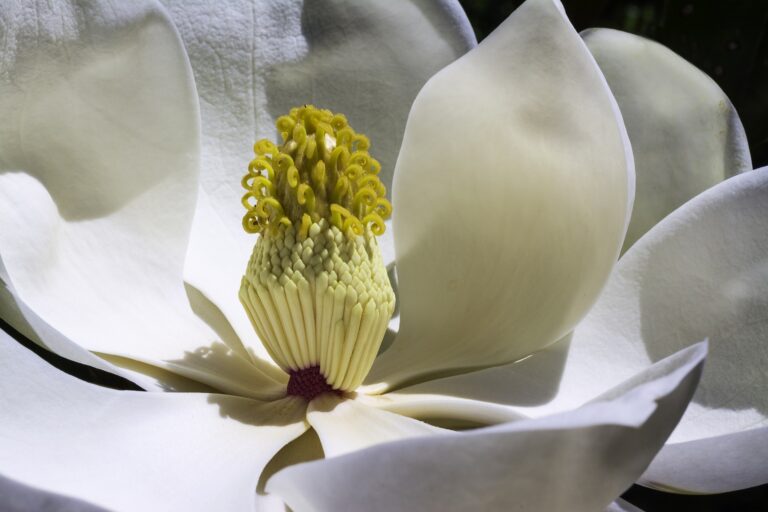
This was how new species like Camellias, Mimosa, Magnolia and Wisteria came from Villa Reale di Marlia to adorn gardens across the Lucca area. Enjoying these scents, visitors can live the same experience as historic figures and awaken personal memories, bridging past and present.
As was the case 2 centuries ago, Lucca and Marlia are linked through their plant life. The Park holds the powerful force of scent, bewitching generations of visitors.
Flowers and Scents
Each season enjoys the blossoming of a different plant. From March the Mimosa and Camellias flower, the striking beauty of the latter making Villa Reale one of the locations hosting the Lucca Historic Camellia Exhibition.
You can buy a joint ticket for both the Park of Villa Reale – one of the most beautiful gardens in Italy, adorned with Camellia-lined walkways in a unique historic setting – and the Giardino d’Eccellenza del Camelietum Compitese event in Capannori, in the Province of Lucca.
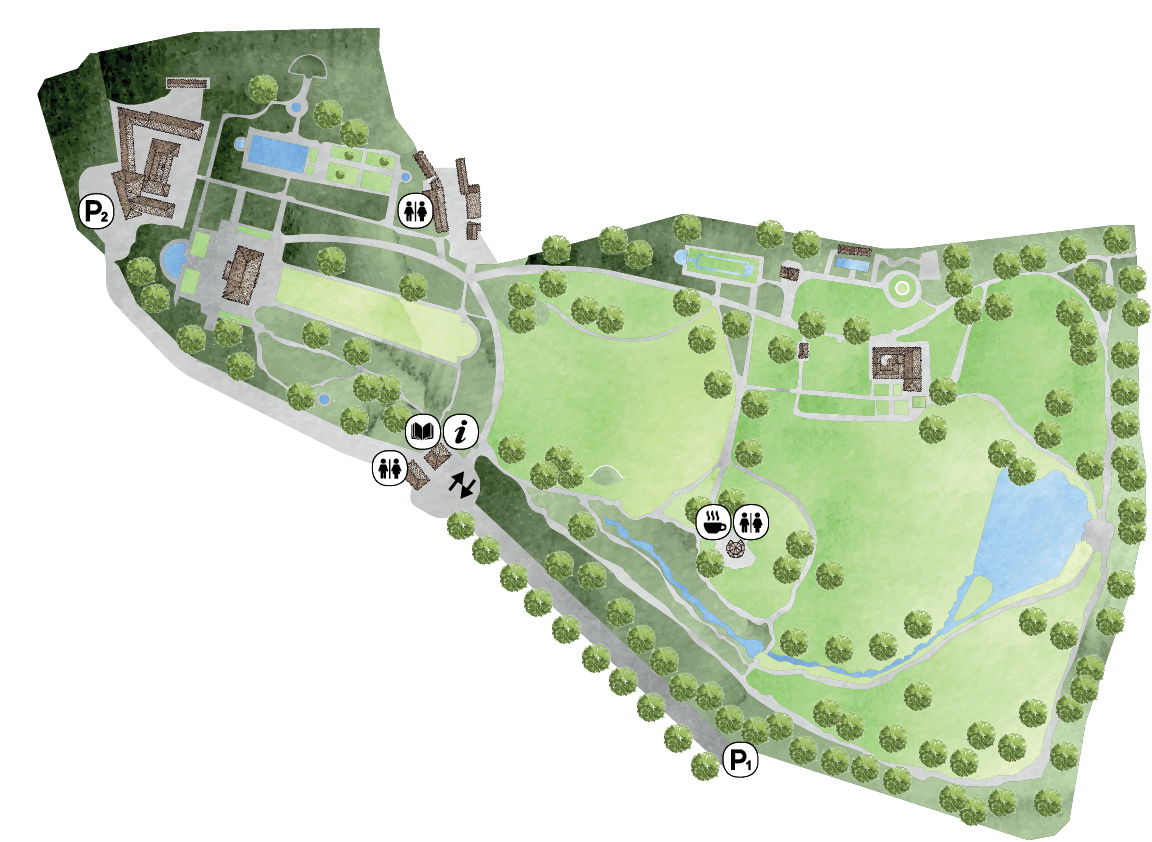
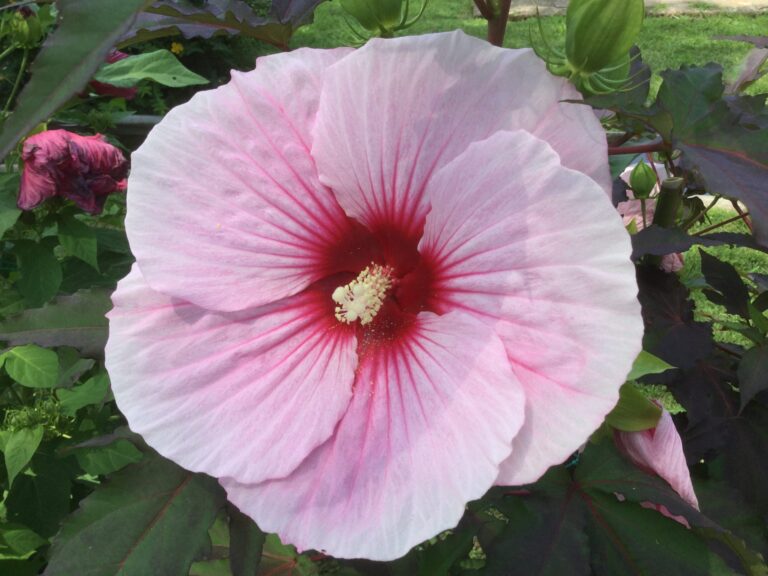
In summer the Hibiscus blooms, and Autumn marks a breath-taking range of leaf colours. A specialist map marks out seasonal sensory routes, created by the architect Beatrice Speranza to bring the visitor in greater contact with Villa Reale’s history.
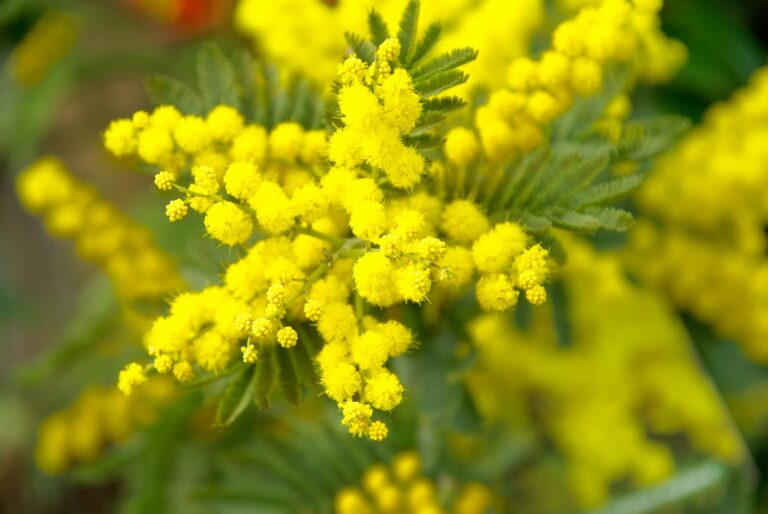
Mimosa The mimosa (Acacia dealbata Link.) is a small tree with characteristic yellow flowers forming spherical heads, belonging to the Fabaceae family. The genus (Acacia) is of[...]
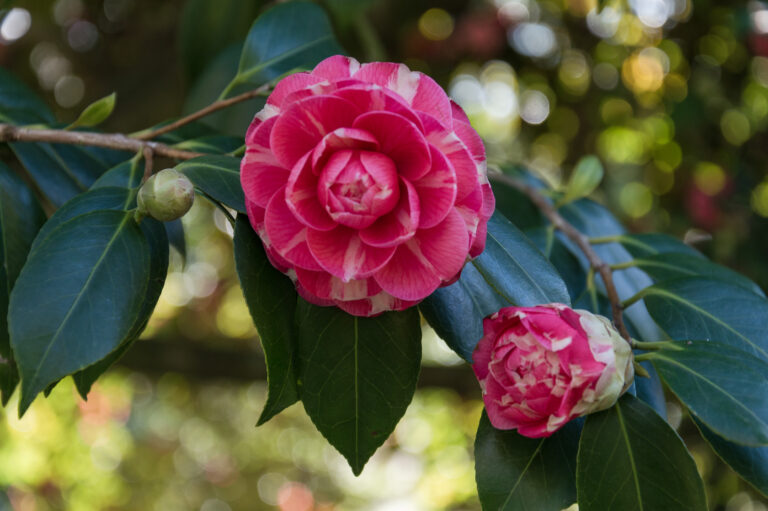
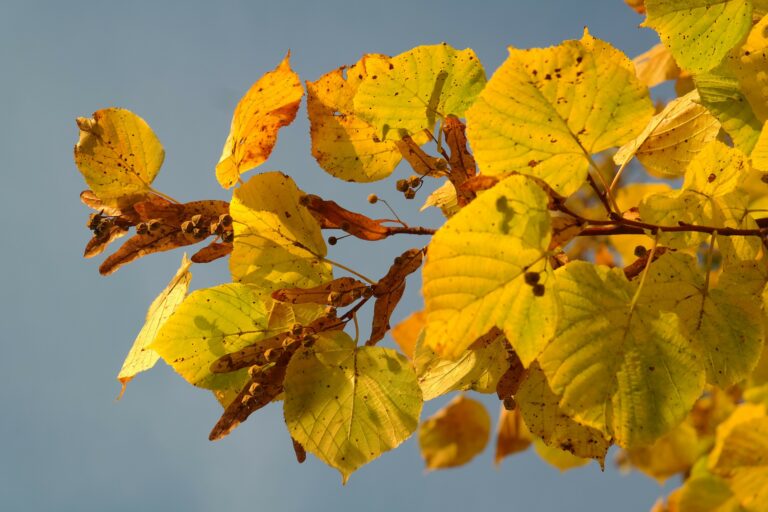
Largeleaf Linden The lime, or largeleaf linden (Tilia platyphyllos Scop.) is a large deciduous tree in the family Tiliaceae. It grows spontaneously in much of Europe, from[...]
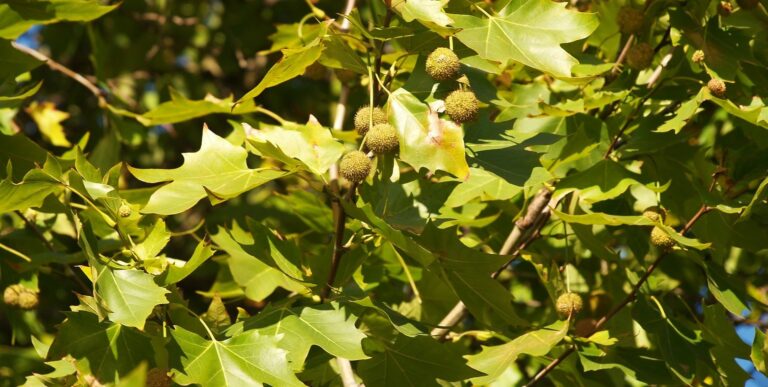
Plane Tree The plane tree (Platanus hybrida Brot.), often found in parks is a large, majestic deciduous tree which belongs to the Platanaceae family. It is a[...]
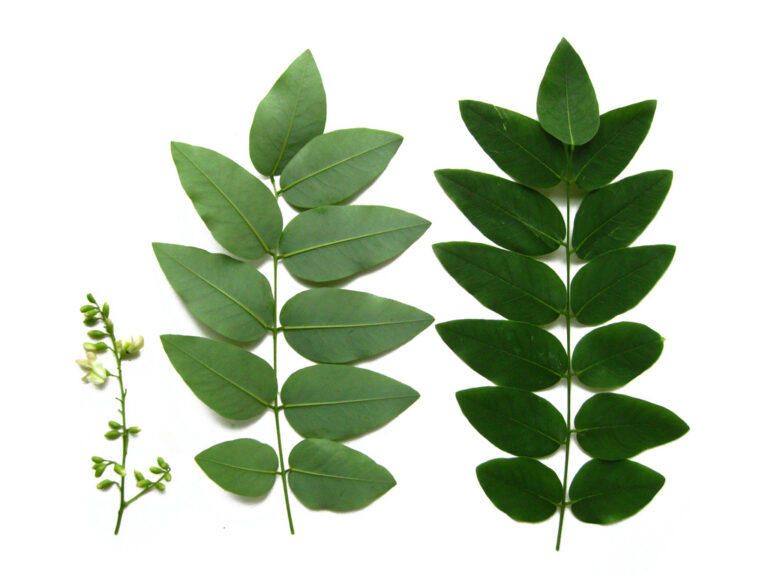
Weeping willow The weeping willow (Salix babylonica L.) is a medium-sized deciduous tree belonging to the family Salicaecae. The genus (Salix) is the word that was used[...]
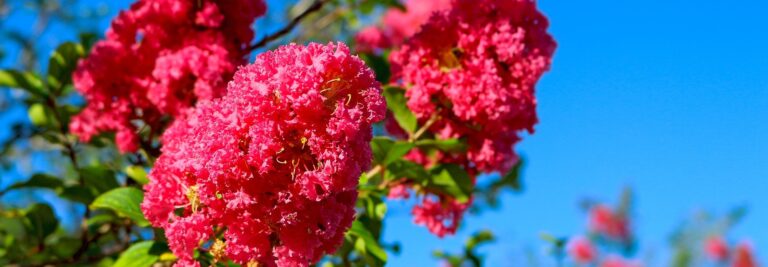
Crepe Myrtle The crepe myrtle (Lagerstroemia indica L.) is a small tree with distinctive reddish-purple flowers belonging to the Lythraceae family. The genus name (Lagerstroemia) was given[...]
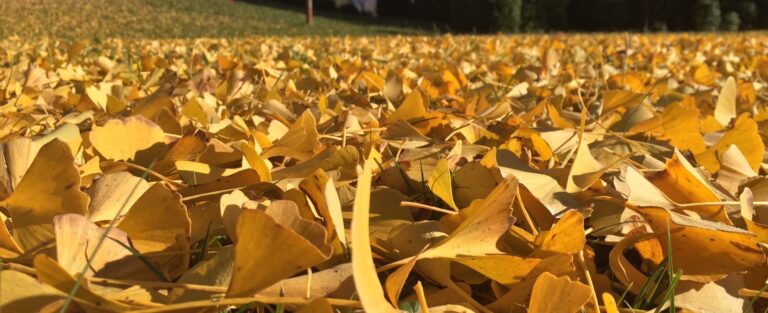
Ginko Biloba The Ginkgo biloba L. is a large deciduous tree belonging to the Ginkgoaceae family. The species is dioecious, with some plants being male and some[...]
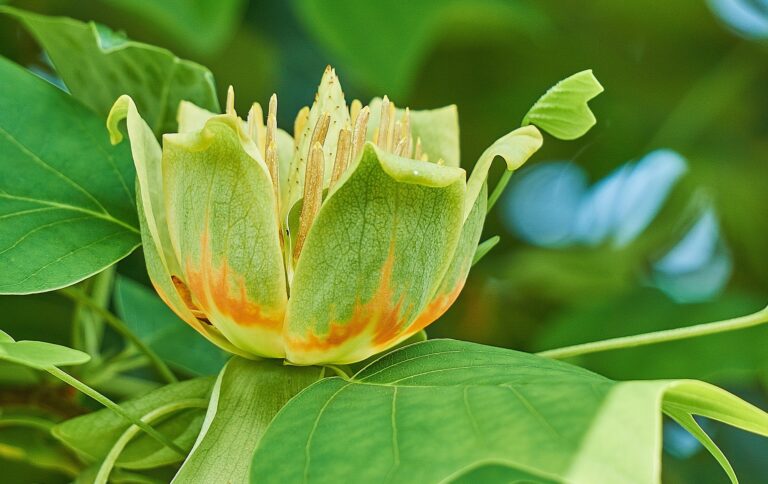
Tupliptree The tupliptree (Liriodendron tulipifera L.) is a large deciduous tree which belongs to the Magnoliaceae family. The genus (Liriodendron) derives from the Greek leiron, meaning lily,[...]
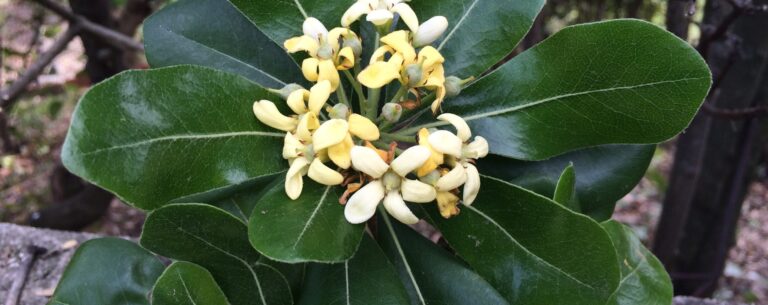
Pittosporum The Pittosporum tobira Ait., also known as the Australian laurel or Japanese cheesewood, is an evergreen shrub with highly perfumed white flowers, belonging to the family[...]
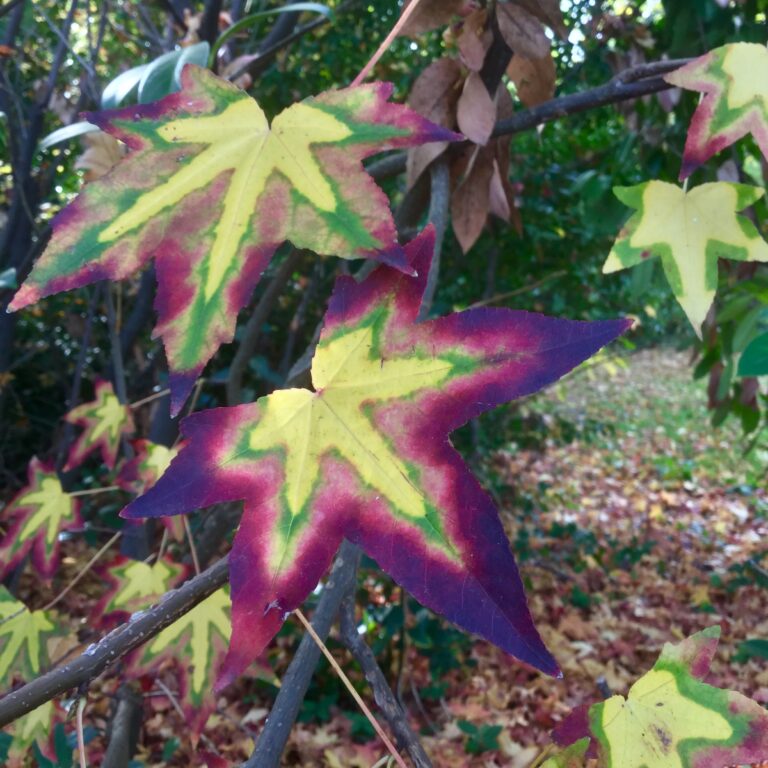
Liquidambar The liquidambar, commonly called sweet gum (Liquidambar styraciflua L.) is a large deciduous tree belonging to the Altingiaceae family. Linnaeus named the genus Liquidambar due to[...]
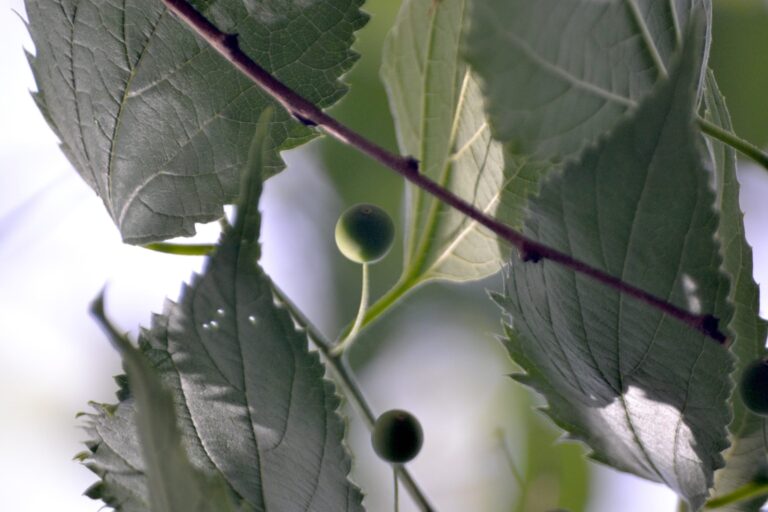
European Nettle Tree The European nettle tree, or Mediterranean hackberry (Celtis australis L.) is a large deciduous tree belonging to the Ulmaceae family. The genus (Celtis) is[...]




Get Inspired